

 ConstructionSee profit by job, track retention and keep subcontractor paperwork ready before anyone asks.
 RestaurantSee food cost, labor cost and true sales every month, not just what landed in the bank.
 Biotech life sciencesTrack grants, code research spend correctly and know your runway before the board asks.
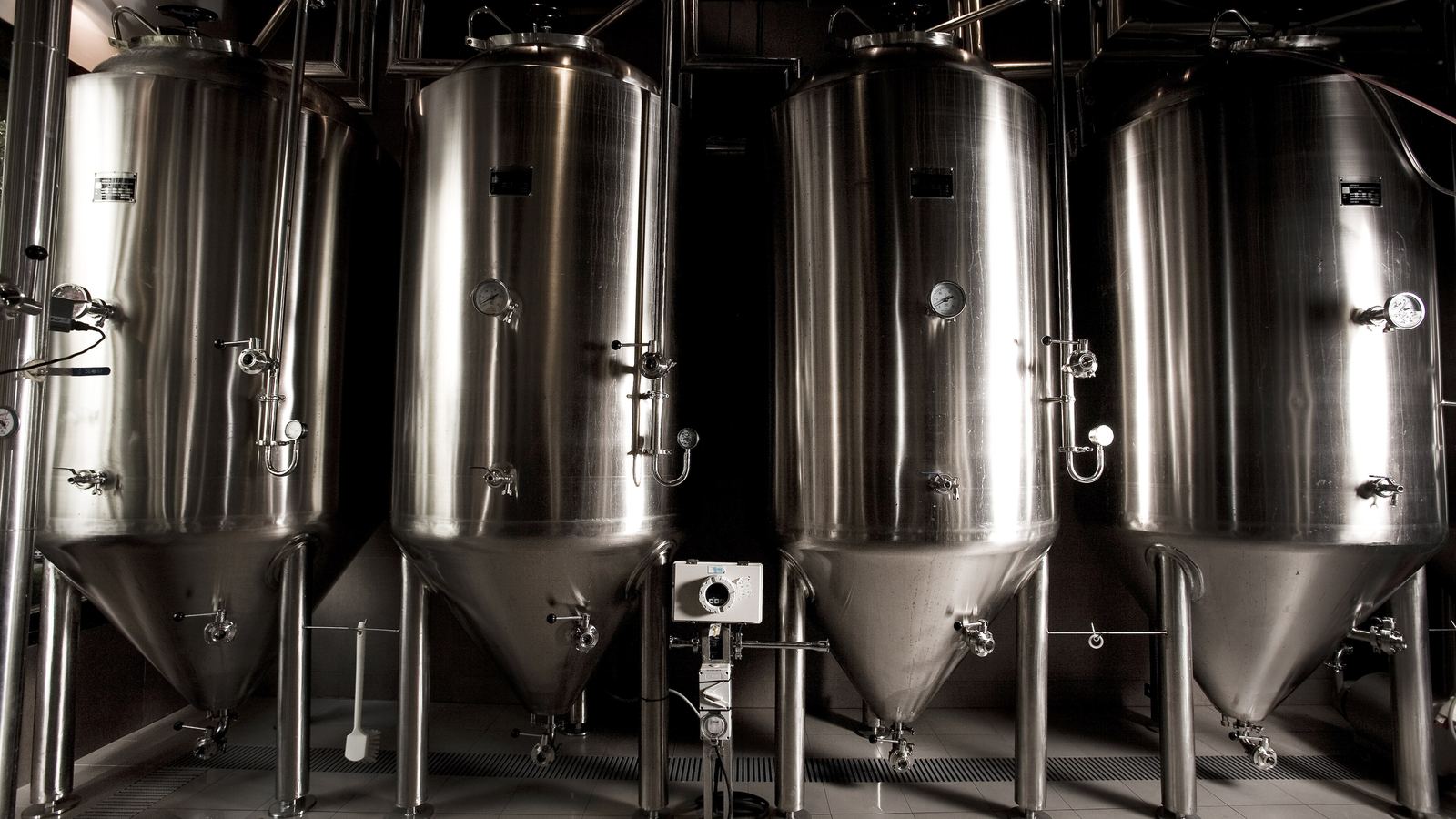 BreweryTie barrels brewed and removed to your excise returns, and see what each beer really costs.
 Defense contractorKeep costs by contract, unallowables set aside and timesheets tied to payroll, every month.
 Medical practiceMatch every insurance and patient payment to the bank, and see what the practice earns each month.
 Real estateKnow what each property earns, what deposits you hold and what your CPA needs in January.
 Short term rentalTurn platform payouts into clear income, track TOT each month and know what each property earns.
Why the industry changes the books
A lab burns grant and investor money long before revenue. A defense subcontractor has to show costs by contract. A taproom pays excise tax on what it brews. A vacation rental collects a city tax on every booking. The chart of accounts, the monthly checks and the reports all change with the business.
The City of San Diego names international trade, manufacturing, the military and tourism as the base sectors of its economy, and the county's businesses reflect that mix. The pages below cover the records that matter in each one.
Industry at a glance
| Industry | Where the books usually break | Record to keep from day one |
|---|---|---|
| Biotech and life sciences | Grant and investor money mixed in one account | Costs tagged by grant or program |
| Defense contractors | Costs not split by contract | Timesheets tied to each contract |
| Breweries | Inventory counted only at year end | Monthly production and keg counts |
| Restaurants | Delivery app payouts booked as net sales | Gross sales, fees and tips as separate lines |
| Short-term rentals | Occupancy tax mixed into rental income | Platform payout reports by property |
| Construction | Retention left off the balance sheet | Billing and retention by job |
Pick your industry
- Biotech and life sciences: burn rate, grant tracking, R&D costs and investor reporting.
- Defense contractors: costs by contract, clean timesheets and support for audits by the prime.
- Breweries: inventory from grain to keg, excise tax and taproom sales.
- Restaurants: POS and delivery app deposits, tips, food cost and sales tax.
- Short-term rentals: platform payouts, cleaning fees, occupancy tax and books by property.
- Real estate: a ledger for each property, tenant deposits held as liabilities, and capital work split from routine repairs.
- Construction and trades: job costing, retention and subcontractor 1099s.
- Medical practices: insurance payments, patient balances and payroll.
What stays the same
Whatever you sell, the core of the work is steady. Every bank and card account gets reconciled to its statement. Owner money stays apart from business money. Loans get split into principal and interest. December gets closed so your CPA has a full year to work from.
The industry pages build on that base. They explain the extra accounts, the reports owners in that field use and the local rules that reach the books.
Not on the list?
Plenty of San Diego businesses do not fit a neat label: a cross-border importer in Otay Mesa, a surf shop, a marketing agency, a nonprofit thrift store. Most follow one of the patterns above. Tell a bookkeeper what you do and they will say if the work is a fit.
Questions
Is this list the only work you take?
No. These are simply the fields covered in depth here. Any small business can reach out.
Do I need special software for my industry?
Usually not. QuickBooks, Xero or the software you already use handles most small businesses, sometimes with an app for inventory, a POS or a rental platform feeding it.
Can you help with industry tax filings?
The team keeps the records those filings need. Filing stays with you or your CPA, unless the partner team tells you on the call that they can help.
My business is in two industries. Which page applies?
Read both. A brewery with a kitchen, or a contractor who also owns rental homes, needs the books set up for each line of business, often with classes or tracking categories that split the results.