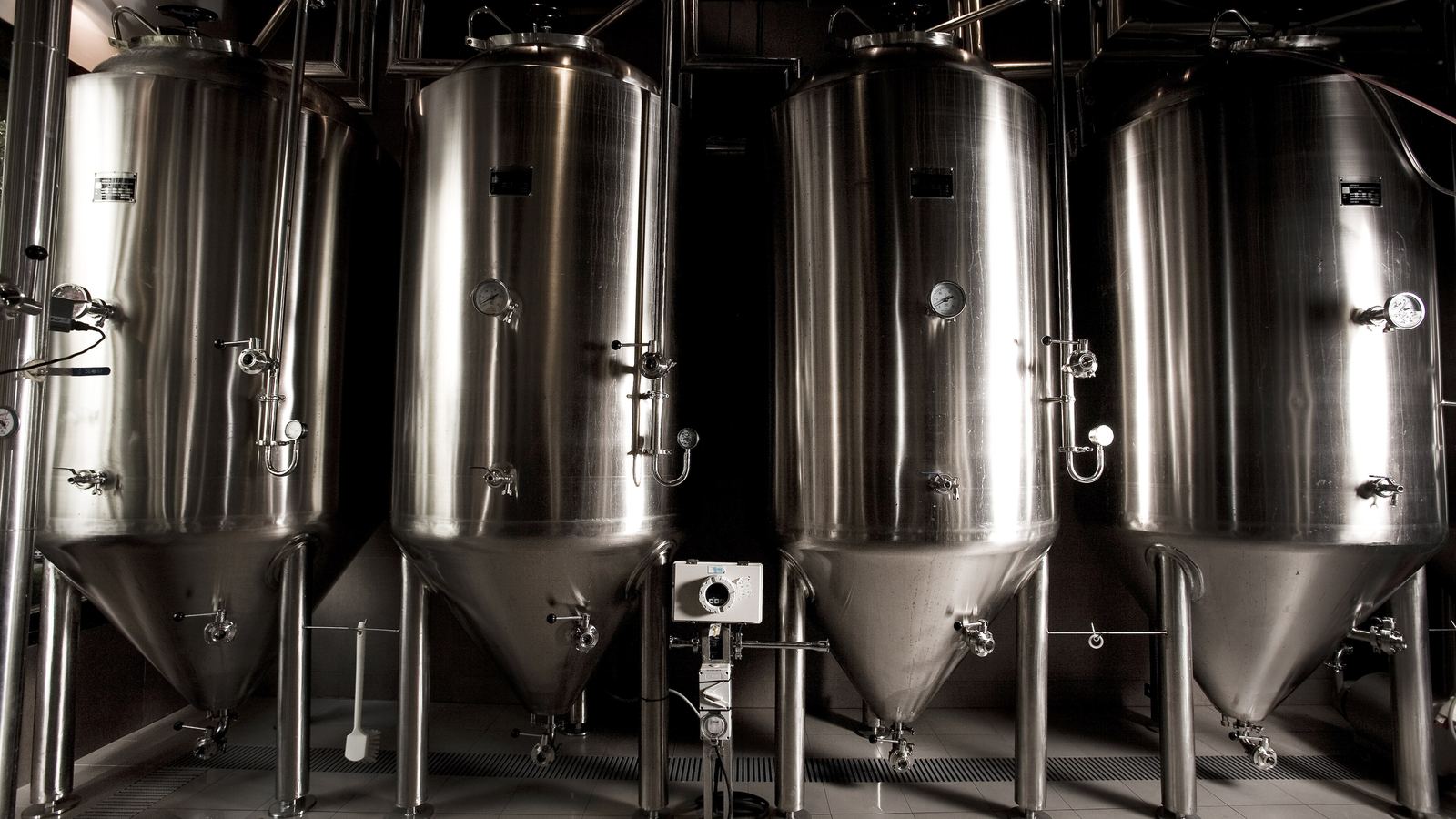

A brewery is a factory, a bar and a wholesaler
Most breweries run three businesses under one roof. The brewhouse turns malt, hops and yeast into beer. The taproom sells pints, flights, crowlers and merch at retail. The loading dock sends kegs and cases to distributors or straight to bars.
Each part has its own tax, its own margin and its own records. Books that lump all sales into one line and all purchases into another cannot show whether the taproom is carrying the wholesale side, or the other way around.
Federal and state excise tax records
Beer removed from the brewery for sale owes federal excise tax, paid to the Alcohol and Tobacco Tax and Trade Bureau on TTB Form 5000.24. For a domestic brewer making 2 million barrels or less a year, TTB lists a reduced rate of $3.50 per barrel on the first 60,000 barrels. Every brewery also files a Brewer's Report of Operations on TTB Form 5130.9, and the barrels removed on that report should agree with the excise return.
California adds its own beer tax. Licensed beer manufacturers file a Beer Manufacturer Tax Return with CDTFA by the 15th of the month after each reporting period. The bookkeeping job is to make sure barrels removed, the excise tax expense in the books and both returns agree.
Rates and filing schedules come from TTB and CDTFA. Check the sources below for current figures.
What the books track
- Raw materials, packaging and finished beer held as inventory, not expensed when bought
- Cost of goods sold built from ingredients, packaging, brewing labor and overhead
- Taproom, self-distribution and distributor sales on separate income lines
- Keg deposits held as a liability until kegs come back
- Federal and state excise tax recorded as a cost, matched to each return
- Taproom sales tax collected matched to your CDTFA sales and use tax return
- Brewhouse equipment, tanks and canning lines recorded as fixed assets with their loans
Inventory and cost per batch
A good month of taproom sales can hide a bad recipe cost. To see real margin, the books need beginning and ending inventory each month and a cost per batch or per barrel. That starts with a monthly count of grain, hops, cans and finished goods, and a simple way to move costs from raw materials into beer as each batch is brewed.
With that in place, you can compare a hazy IPA to a lager on cost per barrel, and see if a price change at a distributor still leaves room to make money.
Taproom sales tax
Pints and packaged beer sold in the taproom are retail sales, and sales tax applies. Merch sales follow the same rules. Wholesale sales to a licensed distributor or retailer for resale are handled differently. Your POS settings and the books need to agree on which is which, so the sales tax return matches what was collected.
How the monthly work runs
- Gather Bank, card and POS data, distributor statements, brew logs and the month-end inventory count come in.
- Record Sales go in by channel, and ingredient and packaging use moves from inventory to cost of goods sold.
- Reconcile Bank and card accounts are matched to statements, and excise tax is matched to barrels removed.
- Report You get a P&L by channel, a balance sheet and cost per barrel.
Signs your brewery books need work
- Malt and hops are expensed the day they are bought
- Distributor payments are recorded net of chargebacks with no detail
- Keg deposits are counted as sales
- Excise tax paid does not match barrels on the brew log
- No inventory count since the last tax return
Where we work
We keep books for businesses across the City of San Diego, North County, the South Bay and East County.
- Carlsbad
- Chula Vista
- Downtown San Diego
- El Cajon
- Encinitas
- Escondido
- La Mesa
- Oceanside
- San Diego
- San Marcos
- Vista
Questions
Do you file TTB or CDTFA returns?
Filing stays with you or your tax preparer. The bookkeeping team keeps the records that feed those returns and checks that they agree with the books.
Does my brewery POS sync to QuickBooks or Xero?
Most do. The sync mapping is checked first, since many send tips, discounts and tax to the wrong accounts.
Can you help a brewery that also runs a kitchen?
Yes. Food sales, food cost and kitchen labor get their own lines so you can see the restaurant side apart from the beer.