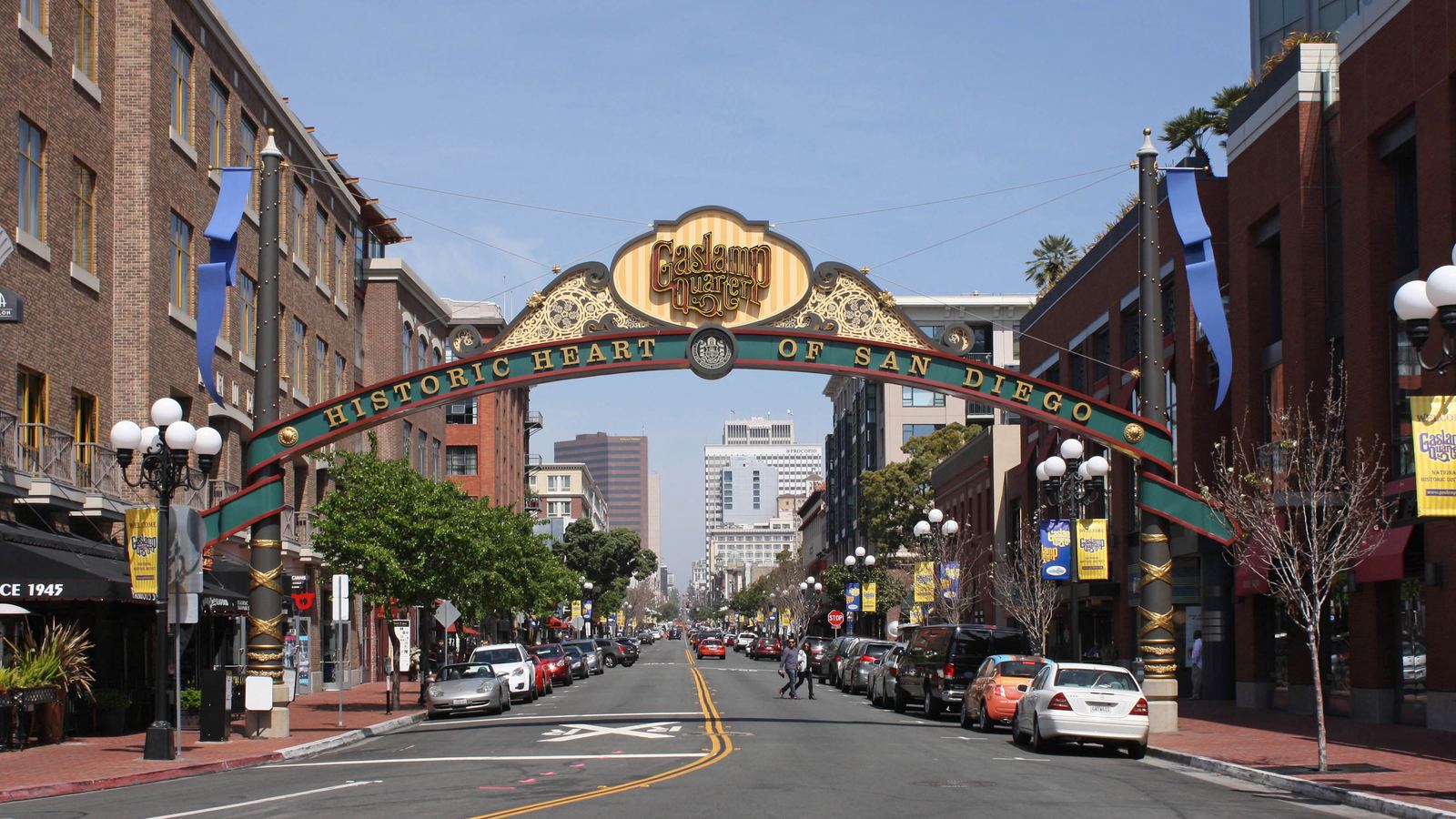

Downtown's business districts
Downtown San Diego is a set of small neighborhoods with very different businesses. The Gaslamp Quarter is packed with restaurants, bars and nightlife. East Village, home to Petco Park, mixes new apartment towers with breweries, gyms, coffee shops and creative studios. Little Italy is known for its dining and its weekend farmers market. Columbia and the Core hold most of the office towers, where law firms, agencies and consultants lease space. The Marina district sits along the bay near Seaport Village.
That mix means a bookkeeper downtown sees two kinds of books most often. One is high-volume card sales with tips, delivery apps and payroll. The other is a service firm with retainers, rent and a few large client invoices.
What downtown books often need
- Daily point of sale summaries from Toast, Square or Clover matched to bank deposits
- Credit card tips recorded as a liability and cleared through payroll
- Delivery app payouts from DoorDash or Uber Eats split into sales, fees and refunds
- Sales tax collected kept off the income line until it is paid to the CDTFA
- Rent, common area charges and tenant improvement allowances booked correctly
- Client retainers for law and agency offices tracked until the work is billed
What Downtown San Diego owners ask us for
- Restaurant bookkeeping: Gaslamp and Little Italy restaurants see tips, delivery payouts and sales tax inside every deposit. Starting from the POS summary keeps the books in step with Toast, Square or Clover.
- Brewery bookkeeping: East Village breweries near Petco Park sell over the bar and carry production costs behind it. Books that keep those two sides apart show where the profit comes from.
- Monthly bookkeeping: Law firms and agencies in the Columbia and Core towers hold client retainers until work is billed. A monthly close tracks those balances next to rent and common area charges.
City of San Diego business tax for downtown
Downtown is part of the City of San Diego, so every business here needs a city Business Tax Certificate before it opens. The City Treasurer requires a separate certificate for each location. A restaurant group with a spot in the Gaslamp and another in Little Italy holds two.
The certificate must be posted where customers can see it at a fixed place of business. The yearly amount for most businesses depends on average employee count over twelve months. For a restaurant with a large part-time staff, that count can be higher than the owner expects, because anyone working ten or more hours a week is included.
Downtown hotels and short-term rental hosts also deal with the city's Transient Occupancy Tax. Those collections belong in a liability account, not in sales.
Check the Office of the City Treasurer for current certificate amounts and any tax that applies to your business type.
A typical downtown cleanup
A Gaslamp restaurant has used QuickBooks for three years with the bank feed set to auto-accept. Every deposit was booked as sales. That means the sales total includes sales tax, credit card tips and a loan payout from the card processor. The processor's fees were never recorded, because it deposits net amounts. Payroll from the provider shows tips paid out, but the books show no tip liability at all.
The cleanup starts from the point of sale reports, not the bank. Gross sales, tax, tips and discounts are entered from the daily summaries. Deposits are then matched to those entries, and the difference becomes processor fees. The processor loan goes to a liability account. After that, sales in the books match the point of sale system, and the sales tax return has a real number behind it.
Getting started
- Book a call Describe your business, your point of sale or billing system and where the books stand.
- Access You share read access to your accounting file, bank and point of sale reports.
- Rebuild Past months are matched to source reports and the bank, and errors are corrected.
- Monthly rhythm Each month closes on a set schedule and you get reports plus a short list of questions.
Close to downtown
We also keep books for businesses in Barrio Logan, Bankers Hill, Hillcrest, North Park and the rest of the City of San Diego.
Bookkeeping services in Downtown San Diego
- Bookkeeping cleanupBooks that exist but cannot be trusted, corrected from a known good date forward.
- Catch-up bookkeepingMonths or years with nothing recorded, filled in from your statements and reconciled one month at a time.
- Emergency bookkeepingWhen a deadline is close and the books are not ready, the work starts with what the deadline needs.
- Monthly bookkeepingA bookkeeper closes your books every month, so the numbers are current when you need to make a call.
- QuickBooks cleanupA QuickBooks Online file that drifted away from the bank, brought back into balance one account at a time.
- QuickBooks bookkeepingYour QuickBooks Online file, kept current by a bookkeeper who knows where the software goes wrong.
Nearby in City of San Diego
Questions
I have two downtown locations. Do I need two city certificates?
Yes. The City Treasurer requires a separate Business Tax Certificate for each business location in the city.
Can my books match what Toast or Square says I sold?
Yes. Sales are entered from the point of sale summaries, then deposits are matched to them, so both systems agree.
How are credit card tips handled?
Tips collected on cards are held as a liability and cleared when payroll pays them out, so they never inflate sales.
Do you work with downtown law and consulting offices?
Yes. We track retainers, rent and client billing in the operating account. Rules for client trust accounts come from the State Bar, so we follow your CPA's lead there.